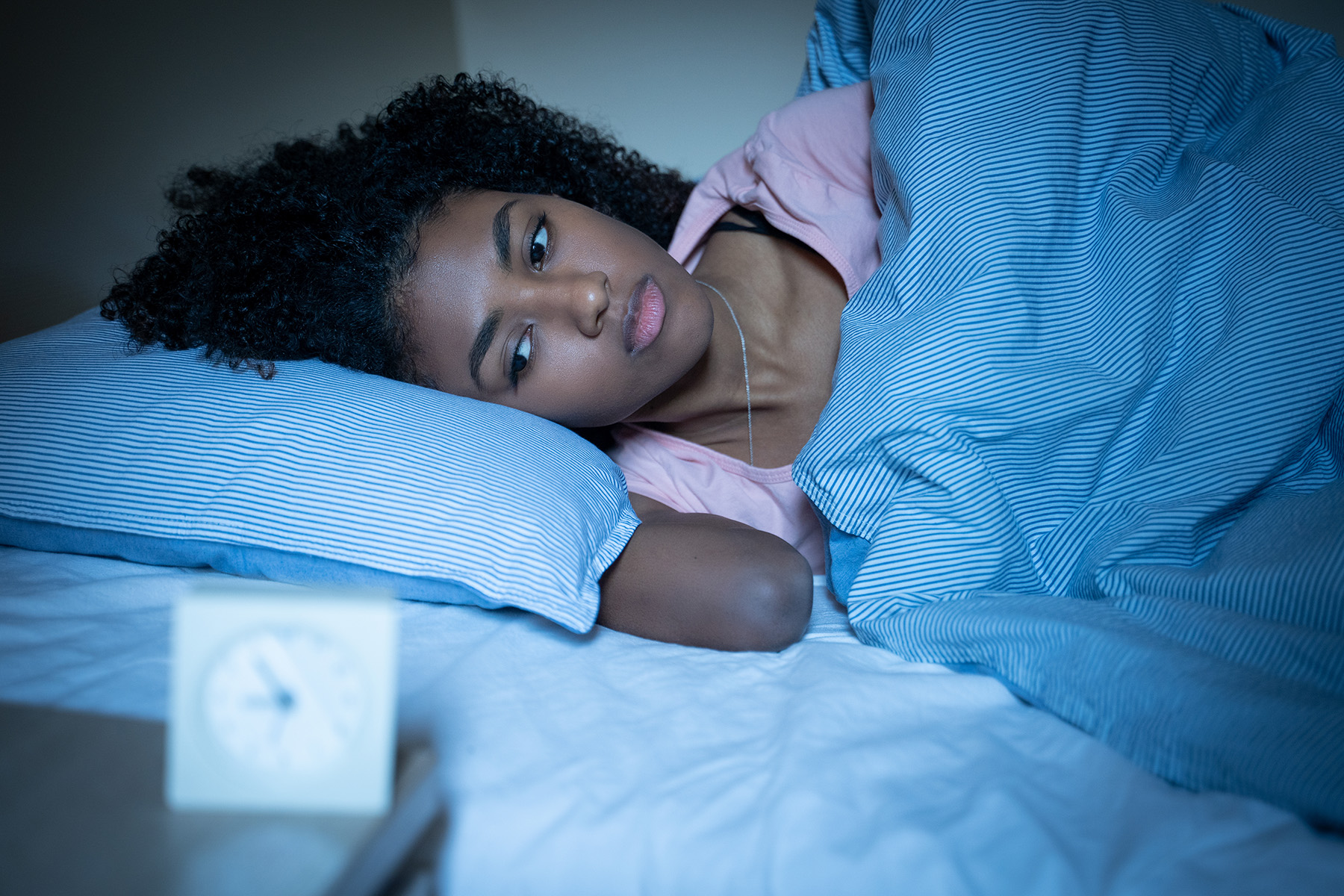
SLEEP IS CRITICAL TO YOUR HEALTH & WELLNESS
Women of color, are you getting the rest you need to maintain a healthy mind and body?
Are you having trouble getting to sleep? Do you wake up several times a night and find it hard to get back to sleep? Or are you just too busy to make sleep a priority? If this sounds familiar, then you are one of the growing numbers of sleep-deprived African American women in this country.
No question, sleep is critical to your health and wellbeing. Consequently, the lack of sleep may be contributing to the high number of health issues among women of color. This article reveals why getting enough sleep is essential to your health and emphasizes the need to put rest high on your priority list of things to do.
There is an old saying, ” You can sleep when you are dead.” But research shows that not getting the rest you need can take years off your life.
Can Our Sleep Affect Our Health?
Not getting the sleep your body requires can contribute to poor health outcomes. Such outcomes include cardiovascular disease, obesity, diabetes, lowered immune response, and learning impairment. Lack of sleep can also lead to a build of plaque in the brain associated with Alzheimer’s.
According to the CDC, about 33% of all Americans are not getting enough sleep.
Indeed, these statistics indicate that African Americans are disproportionately affected by poor sleep quality and health issues like high blood pressure, obesity, and diabetes.
- African Americans have a 12.4 % higher incidence of short sleep duration (less than seven hrs.) than whites (3) (4) (5)
- African Americans ages 18-49 are two times as likely to die from heart disease than whites. (2)
- African Americans ages 35-64 years are 50% more likely to have a high blood pressure than whites. (2)
For women of color, the pressure of job, family, and finances has never been more pressing. For this reason, women of color should understand the importance of getting enough sleep. But, more importantly, take the steps needed to ensure they are getting enough.
Topic Highlights:
- Why Does Getting Enough Sleep Matter for Good Health, Success, and Long Life?
- Criteria for evaluating the quality and quantity of sleep you are getting
- 9 Fundamentals to Getting the Sleep You Need to Look and Feel You Best
- Conclusion
Why Does Getting Enough Sleep Matter for Good Health, Success, and Long Life?

Many women of color sacrifice adequate sleep to meet the demands of a job, family, and personal goals. However, many have trouble sleeping due to physical ailments, emotional stress, environmental conditions, and sleep disorders like sleep apnea/insomnia.
In any case, not getting enough sleep can impact your health and ability to perform at your best.
Over the past few years, there has been extensive research regarding sleep and the effects of not getting enough sleep on the body, mind, and emotions.
As a result, studies like those conducted by the Harvard Medical School’s Sleep Medicine Division have helped raise awareness of the importance of sleep in our lives and the effect of not getting enough. (8).
These studies have also spotlighted the fact that African Americans are disproportionately affected by sleep issues/disorders. Subsequently, Sleep Health Education, a partnership between NYU School of Medicine and other organizations, has emerged to help promote the importance of getting enough sleep and addressing the prevalent issues and disorders in the African American community (10).
Why Do We Need to Sleep?
When you are sleeping, your body is working to promote brain functions and repair the body. Sleep also affects how well we think, react, and focus. Rest also supports our ability to learn and relate to others.
Getting quality sleep is critical to our health, wellness, and longevity. Therefore, the right amount of quality sleep is vital for living a longer, healthier life.
What Can Getting Enough Sleep Do for You?
- Look and feel better.
- Restores alertness, focus and improves reaction time: hence better performance and attention to detail.
- Rejuvenates thinking, learning, and memory capacity, therefore, resulting in improved judgment and decision making.
- Strengthen immune system (cold, flu, covid, etc.)
- Regulation of hormones thus supporting tissue and cells repair
- Helps clear toxins/plaque such as Beta-Amyloid from the brain
- Beta-Amyloid is the primary marker identified with Alzheimer’s
- Improves mood and emotional stability, which consequently promotes a more positive outlook
Not Getting Enough Quality Sleep
- Increased risk of health issues including:
- Heart disease
- Kidney disease
- High blood pressure
- Diabetes
- Stroke
- Increased appetite and the risk of weight gain
- Reduced sleep causes hormone imbalance that makes you want to eat more.
- More of the hormone ghrelin, which makes you hungry, is produced.
- Leptin, the hormone which makes you feel full, is reduced.
- Weakening of the body’s Immune Systems against disease and infection
- Studies show that sleep-deprived subjects who received hepatitis vaccination developed 49% fewer antibodies than those who were not.
- Increased tendencies for Impulsive/Negative thinking and behavior
- Diminished Brain Function (memory, focus, and decision making)
- Lessen Physical Attractiveness
- Premature Aging and Wrinkles due to higher cortisol levels
- Dull & Dry Skin
- Bags and dark circles under the eyes
- Less productivity, taking longer to finish tasks, slower reaction time, and more mistakes because of lack of focus)
- Driver sleepiness is estimated to factor in about 100,000 car accidents each year, resulting in about 1,500 deaths.
How Much Sleep Should You Get?
Sleeping Duration:
Less than 7 hours of sleep within 24 hours is considered a short sleep duration. Which means you did not get the sleep you needed. Over time, short sleep durations increase the risk of medical issues such as strokes, high blood pressure, diabetes, obesity, depression, and cardiovascular disease.
The amount of sleep varies for each individual. The American Academy of Sleep Medicine (AASM) chart below shows the recommended sleep duration based on age. (5)
| Age | Recommended Amount of Sleep |
| Infants aged 4-12 months | 12-16 hours a day (including naps) |
| Children aged 1-2 years | 11-14 hours a day (including naps) |
| Children aged 3-5 years | 10-13 hours a day (including naps) |
| Children aged 6-12 years | 9-12 hours a day |
| Adults aged 18 years or older | 7–8 hours a day |
Quality of Your Sleep:
Sleep quality is a measure of how well you are sleeping. If your quality of sleep is good, you should wake up rested and rejuvenated.
On the other hand, indicators of poor sleep quality are:
- It takes you longer than thirty minutes to fall asleep
- You wake up two or more times during the night
- It takes you longer than twenty minutes to drift back asleep after waking up.
Note: As we get older, it’s common to wake up more frequently during the night. But as long as you can return to sleep quickly, this won’t hurt your rest.
Examples of Poor Sleep Quality
- You went to bed early in preparation for a big day but had a hard time getting to sleep. You kept waking up periodically and had a hard time going back to sleep.
- You went to bed early but woke up sluggish the following day and need coffee to keep you going?
Your Sleep Cycle:
Your body has an internal clock that controls your sleep patterns. This clock typically works on a 24-hour repeating rhythm called the circadian (sleep-wake) rhythm. Therefore, sleeping according to your internal clock is essential.
It is possible to get the recommended amount of sleep but not under your body’s natural sleep cycle. For example, not sleeping during your regular sleep cycle is common for those who work the night shift. Similarly, this is common for caregivers or essential workers whose sleep may be routinely interrupted.
9 Ways to Help You Get the Rest You Need

Disclaimer:
- These suggestions are for those who you typically night-time sleepers.
- People who work at night are unique. Their bodies will need time to adjust.
Tips for Better Sleep:
- Make sleep a priority.
- Understand that sleep is essential to your health and quality of life.
- Establish a consistent sleep schedule, going to bed and getting up at the same time, on the weekday and weekend.
- If you stay up later on the weekends, give yourself ample time to recover before starting the week.
Staying up late and sleeping late on the weekends can disrupt your sleep-wake (circadian) rhythm. Therefore, making it harder to get back into your regular sleeping pattern.
- If you stay up later on the weekends, give yourself ample time to recover before starting the week.
- Make sure the bedroom is dark, quiet, and excellent (between 60 and 67 °F is ideal)
- A dark, cool room increases the body’s release of melatonin which makes you sleepy.
- Lowering the temperature helps you fall asleep faster. The cooler temperature also increases the amount of time you spend in deep sleep.
- Take 30 min to relax and prepare for going to bed
- Avoid screentime (TV, Laptops, Smartphones, etc.)
- Avoid stimulating activities such as working and gaming
- Engage in non-screen-related activities to relax and calm your mind. (Read, Journal, Meditate, Pray, etc.)
- Abstain from late-night meals or snacks
- Eliminate the consumption of alcohol, caffeine, or tobacco products during the evening
- Keep Daytime Naps to no longer than 20 min.
- Maintain a healthy diet that includes food high in antioxidants.
- Implement a daily 45 minutes exercise routine
Conclusion:
In conclusion, putting sleep at the top of your to-do list will help you live a longer, healthier, and enjoyable life.
Medical statistics show that African Americans are disproportionately affected by a higher incidence of heart attack, stroke, high blood pressure, and diabetes. Similarly, Sleep research data indicates higher reported cases of sleep issues among African Americans. Therefore, it is imperative to make getting your rest a top priority in your wellness regimen.
If you consistently get 7 – 9 hours of sleep a night, you will be more productive. In addition, you will have a better mood, memory and perform better physically and emotionally.
On the other hand, Sleep deprivation will increase your risk of heart attack, stroke, high blood pressure, diabetes, and a weakened immune system.
Similarly, not getting proper rest can lead to various cognitive and emotional issues such as poor memory, moodiness, depression, and diminished ability to learn and retain information.
By making sleep a priority and following the tips we have outlined, you can start to get the rest you need to live your best life now!
Can MODAE CBD Help You Get to Sleep?
MODAE Health & Wellness does not claim that our products treat sleep disorders. If you believe you are suffering from a sleep disorder such as insomnia or sleep apnea, please seek medical help.
However, our CBD softgels, gummies, and balms can help soothe sore muscles and joints and promote calm and relaxation, which goes a long way toward a restful sleep.
Learn More About How MODAE CBD Product can help promote a night of better sleep.
References/Links/More
- ” target=”_blank” rel=”noreferrer noopener”>https://www.cdc.gov/vitalsigns/aahealth/index.html>
- https://www.cdc.gov/sleep/data_statistics.html
- ” target=”_blank” rel=”noreferrer noopener”>https://www.cdc.gov/mmwr/volumes/67/ss/ss6705a1.htm>
- https://www.nhlbi.nih.gov/health-topics/sleep-deprivation-and-deficiency
- https://www.thensf.org/what-is-sleep-quality/
- https://hms.harvard.edu/sites/default/files/WhySleepMatters(Readings)_website%20pdf.pdf
- Matthew Walker Why we sleep (2017; ISBN 978-0-141-98376-9):>
- https://med.nyu.edu/pophealth/divisions/chbc/sleep-health-education-project/sleep-health-education